The Ultimate Guide to Choosing the Right Aluminum Profile
Optimize performance, cost-efficiency, and customer satisfaction with our comprehensive guide for wholesalers, distributors, and manufacturing plants.
Understanding Aluminum Profile Fundamentals
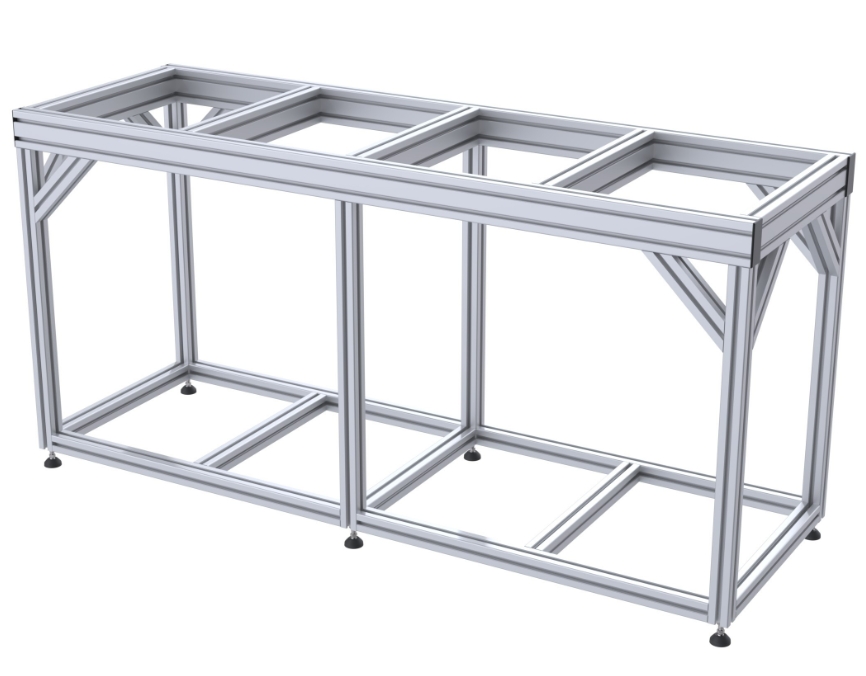
Aluminum profiles are versatile extruded materials used across countless industries, from construction and automotive to electronics and furniture. Their popularity stems from an exceptional combination of properties:
- Lightweight Structure: Aluminum has about one-third the density of steel, making it ideal for applications where weight is a concern.
- Impressive Strength: When alloyed and heat-treated, aluminum can achieve strength comparable to some steels.
- Corrosion Resistance: Aluminum naturally forms a protective oxide layer, making it highly resistant to corrosion.
- Excellent Formability: The extrusion process allows for creating virtually any cross-sectional shape.
- Recyclability: Aluminum is 100% recyclable without loss of quality, making it an environmentally friendly choice.
The Extrusion Process
The extrusion process transforms aluminum alloys into specific profiles with cross-sectional shapes. This process involves forcing heated aluminum billets through a shaped opening, or die, using hydraulic or mechanical pressure.
Billet Preparation
Aluminum billets are preheated to reduce friction and enhance the extrusion process’s efficiency.
Heating the Billet
The billet is heated to a precise temperature (400-500°C) to make it more malleable and easier to extrude.
Extrusion Process
The heated billet is pushed through the die’s opening, taking on the die’s shape to form the desired profile.
Cooling and Finishing
The extruded profile is cooled, stretched to straighten, cut to length, and heat-treated for optimal properties.
Key Factors to Consider When Choosing Aluminum Profiles
1. Identify Your Application Requirements
The intended use should guide your selection process. Different applications demand different properties:
- Architectural: Corrosion resistance, aesthetic appeal
- Industrial: High strength-to-weight ratios, durability
- Transportation: High strength, lightweight characteristics
- Consumer Products: Surface finish, formability
2. Select the Appropriate Aluminum Alloy
Aluminum alloys are categorized in series, each with distinct characteristics:
- 6061 Alloy: High strength, good machinability, excellent weldability
- 6063 Alloy: Excellent corrosion resistance, superior surface finish
- 6082 Alloy: Robust load-bearing capabilities for structural applications
- 5000 Series: Excellent corrosion resistance for marine environments
- 7000 Series: Highest strength for aerospace and high-stress applications
3. Consider Profile Shape and Dimensions
The cross-sectional geometry should align with your structural and design requirements:
- T-slot Profiles: Allow for adjustable components and modular designs
- C-channels: Offer high load-bearing capacity
- Square and Rectangular Tubes: Provide versatility for various applications
- Custom Shapes: Tailored to specific design needs
Ensure the dimensions (wall thickness, overall size) can withstand anticipated loads while minimizing weight and material usage.
4. Evaluate Surface Treatment Options
Surface treatments enhance both appearance and performance:
- Anodizing: Creates a protective oxide layer that improves corrosion resistance
- Powder Coating: Offers a wide color range and superior UV resistance
- Electrophoretic Deposition: Provides uniform coverage on complex shapes
- Mechanical Finishing: Enhances aesthetic appeal for visible applications
- Fluorocarbon Coating: Superior weather resistance for architectural applications
5. Assess Quality and Certification Standards
For consistent quality and reliability, prioritize aluminum profiles from manufacturers with recognized certifications:
- ISO 9001: Quality management systems certification
- EN 755-9: European standard for aluminum profiles
- EN 12020-2: European standard for aluminum and aluminum alloys
Key quality indicators include dimensional accuracy, freedom from surface defects, proper wall thickness, and uniform coating thickness.
6. Partner with the Right Supplier
Choosing a reliable aluminum profile supplier is as important as selecting the right profile:
- Manufacturing Capabilities: Customization options and production capacity
- Quality Control: Processes and certifications
- Technical Expertise: Support services and engineering assistance
- Supply Chain Reliability: Delivery timelines and inventory management
- Competitive Pricing: Value-added services and total cost analysis
Specialized Considerations for Different Industries
Construction Industry Applications
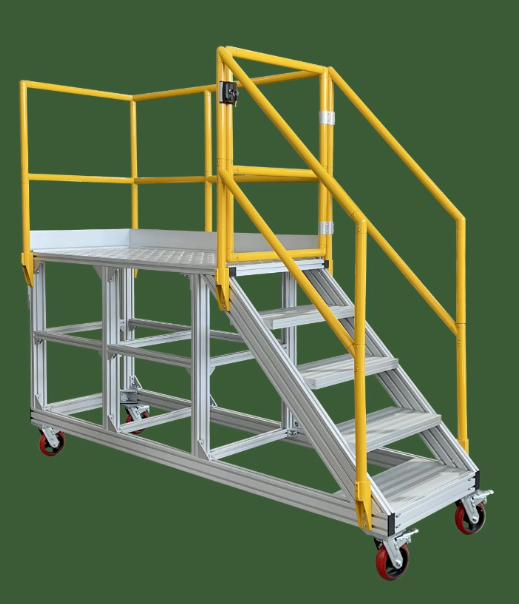
For architectural applications, consider these key factors:
- Thermal Break Profiles: Improved energy efficiency for windows and doors
- Structural Integrity: Wind load resistance and structural performance
- Aesthetic Appeal: Finish durability and design flexibility
- Building Codes: Compliance with local regulations and standards
- Sustainability: Recyclability and energy efficiency ratings
Industrial and Manufacturing Applications
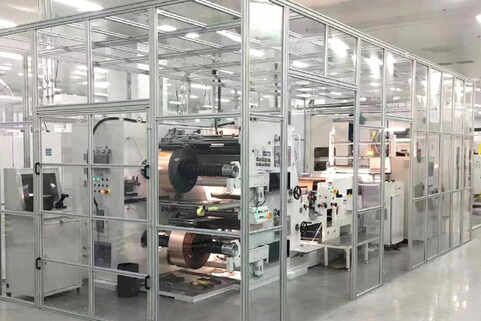
For industrial uses, prioritize these considerations:
- Strength-to-Weight Ratio: Optimal balance for machinery and equipment
- Wear Resistance: Durability for high-use applications and moving parts
- Fabrication Compatibility: Welding, cutting, and drilling characteristics
- Customization Options: Specialized profiles for unique equipment requirements
- Modularity: T-slot systems for flexible workstations and frames
Transportation Industry
- Lightweight designs for fuel efficiency
- High strength for structural components
- Corrosion resistance for longevity
- Crashworthiness and safety features
Electronics Industry
- Thermal management and heat dissipation
- Electrical conductivity properties
- EMI/RFI shielding capabilities
- Precision tolerances for component fit
Renewable Energy Sector
- Weather resistance for outdoor installations
- Lightweight mounting systems
- Corrosion resistance in harsh environments
- Sustainable and recyclable materials
Cost Optimization Strategies
While aluminum profiles offer excellent value, consider these factors to optimize costs without compromising quality:
Material Selection
Choose alloys that meet but don’t exceed your requirements. Higher strength alloys typically come at a premium cost.
Profile Design
Optimize cross-sections for material efficiency. Work with engineering experts to design profiles that minimize material usage while maintaining performance.
Surface Treatment
Select treatments based on actual environmental exposure. Indoor applications may not require the same level of protection as outdoor ones.
Order Volume
Leverage quantity discounts for large projects. Consider inventory management strategies to balance order size with storage costs.
Standard vs. Custom Profiles
Use standard profiles where possible to reduce tooling and setup costs. Reserve custom profiles for applications where they provide significant advantages.
The Aluminum Extrusion Process
Ingot Charging and Melting
High-quality ingots are charged to obtain the desired alloy without impurities, then melted in furnaces.
Casting Process — Log Making
Molten aluminum is poured into moulds to create cylindrical logs that serve as raw material for extrusion.
Billet Preparation and Loading
Logs are cut into billets, which are then loaded into the extrusion press as the primary material.
Extrusion and Puller Clamping
A heated billet is pushed through a die by a hydraulic ram, taking on the desired shape as it exits.
Stretching, Straightening and Finishing
The extruded profile is stretched, straightened, cut to length, heat-treated, and finished as required.
Conclusion
Selecting the right aluminum profile requires careful consideration of multiple factors, from alloy composition and temper to surface treatment and supplier capabilities. By understanding your specific application requirements and leveraging the expertise of a reliable manufacturer, you can ensure optimal performance, cost-efficiency, and customer satisfaction.
As a direct factory supplier with extensive experience exporting to global markets, we’re positioned to help you navigate these considerations and provide the perfect aluminum profile solutions for your business needs. Our technical team can offer personalized recommendations based on your specific applications, ensuring you receive products that deliver maximum value and performance.
Contact Us Today
Ready to discuss your aluminum profile needs? Our team is here to help you find the perfect solution for your business.
What Our Customers Say
“The technical support team provided invaluable assistance in selecting the right aluminum profile for our automated manufacturing line. The custom solution they delivered exceeded our expectations in both performance and durability.”
Michael Chen
Engineering Manager, TechnoFab Solutions
“As an architectural firm, we rely on high-quality aluminum profiles that meet both aesthetic and structural requirements. This supplier consistently delivers products with exceptional finish quality and dimensional accuracy.”
Sarah Johnson
Principal Architect, Modern Spaces Design
“The cost optimization strategies suggested by their team helped us reduce material costs by 15% without compromising on quality. Their supply chain reliability has also improved our production scheduling.”
David Rodriguez
Procurement Director, Global Manufacturing Inc.
Ready to Find Your Perfect Aluminum Profile?
Our team of experts is ready to help you navigate the selection process and find the ideal aluminum profile solution for your specific application.